
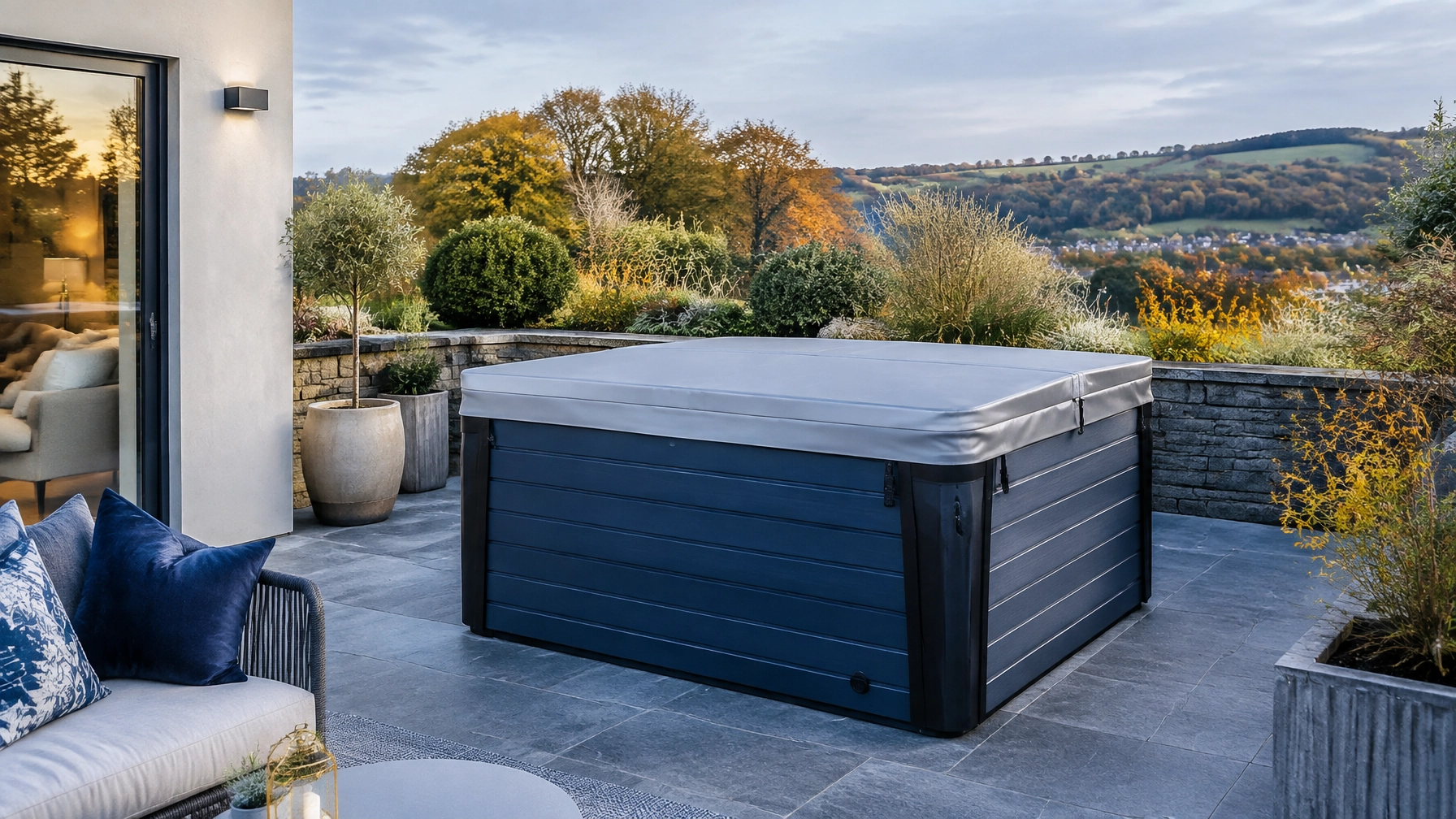
As the evenings draw in across Northern Ireland, your garden spa can become the perfect place to unwind. However, colder temperatures, driving rain, strong winds and the first frost can all place extra demands on your spa, its cover and the surrounding garden.
The good news is that preparing your hot tub for winter does not need to be complicated. Whether you plan to enjoy regular winter soaks or close your spa down temporarily, this practical checklist will help you protect your investment, maintain energy efficiency and use your garden spa with confidence.
We recommend beginning your preparations in early autumn, before the first overnight frost is forecast.
1. Decide whether you will use your spa through winter
Your winter care routine depends on whether the spa will remain in regular use.
If you plan to use your spa:
Keep the spa powered, heated and circulating in line with the manufacturer’s instructions. A properly maintained spa that remains operational is generally better protected from freezing than one that has been switched off with water still trapped in its pipework.
If you plan to close your spa down:
Arrange a proper winterisation before freezing conditions arrive. This means draining the shell, pipework, jets and equipment thoroughly. Simply emptying the visible water from the spa is not enough, as residual water can remain inside pipes and pumps.
✅ Check your owner’s manual before changing settings or draining the system.
✅ If you are unsure, ask the Fiesta Spas team about professional seasonal support.
2. Check the location, shelter and access route
A sheltered spa is easier to use and more efficient to run during the colder months. Wind can strip heat from the cabinet and cover, while exposed locations are more likely to collect leaves, rainwater and snow.
Look for practical improvements around the spa:
- Use existing walls, fencing or suitable screening to reduce exposure to prevailing winds.
- Keep the route from your home to the spa well lit.
- Remove overhanging branches that could drop leaves, twigs or heavy snow onto the cover.
- Make sure the cover can open fully without striking a wall, fence or nearby structure.
- Keep access to service panels clear for maintenance.
A pergola, canopy or sheltered garden room can improve comfort, but never block required ventilation around the spa equipment. Any permanent structure should also be properly designed for local weather conditions.
3. Inspect decking, paving and drainage
Winter water management is essential. Rain, melting snow and splash-out should drain away from the spa cabinet, electrical equipment and your home.
Before the weather turns colder, check that:
- The ground or decking is stable and level.
- Water is not pooling beneath or beside the spa.
- Drainage channels and gullies are clear of leaves and debris.
- The route for a drain hose leads to a suitable outlet.
- Steps and walking areas have a non-slip surface.
- Timber decking shows no signs of rot, movement or damaged boards.
Remember that a filled spa is extremely heavy. If your hot tub sits on decking, confirm that the structure is designed to support the full load of the spa, water and occupants. Never make structural alterations without taking appropriate professional advice.
Put safety first by clearing ice promptly and placing suitable non-slip mats on wet or slippery access areas.
4. Protect the cover before the first frost
Your insulated cover is one of the most important parts of your spa’s winter protection. It helps retain heat, reduce evaporation and prevent leaves and rain from entering the water.
Inspect the cover carefully:
- Check for tears, sagging, waterlogging or damaged stitching.
- Make sure the cover fits closely around the spa.
- Test the straps, clips and locking mechanisms.
- Remove leaves and standing water regularly.
- Never place heavy snow or equipment on top of the cover.
- Do not allow children or pets to climb onto it.
A waterlogged cover becomes heavy and loses insulating performance. If the cover feels unusually heavy or no longer sits correctly, contact Fiesta Spas for advice rather than continuing to use it as normal.
Always replace and secure the cover promptly after each winter soak. This simple habit helps retain heat and protects the water from the damp, windy Northern Ireland climate.
5. Check and protect the cabinet
The cabinet protects the spa’s pumps, heater, plumbing and control systems from the elements. Before winter, inspect it for damage, gaps or signs of moisture.
Look for:
- Loose or damaged panels.
- Cracks, gaps or missing fixings.
- Signs of water ingress.
- Pest activity or nesting.
- Blocked ventilation areas.
- Unusual dampness around the equipment bay.
Do not seal ventilation openings or pack insulation tightly around pumps and heaters. Equipment needs appropriate airflow, and blocking vents can create unnecessary risks.
If your spa is already well insulated, avoid adding materials without checking the manufacturer’s recommendations first. The Artesian Spas range is designed with energy efficiency and heat retention in mind, which can be particularly valuable during colder weather.

6. Refresh the water and check the filtration system
If you intend to use your spa during winter, autumn is an ideal time for a thorough clean, filter check and water refresh.
Complete these water-care tasks:
✅ Test and balance pH, alkalinity and sanitiser levels.
✅ Clean the waterline and shell using products approved for your spa.
✅ Rinse the filter thoroughly and replace it if it is damaged or no longer cleaning effectively.
✅ Check the water level and top it up as required.
✅ Consider a drain, clean and refill if the water has been in use for several months or is difficult to balance.
Clean filters help your spa circulate water efficiently. They also reduce unnecessary strain on the pump and heater, helping you take greater control of winter running costs. Our hot tub maintenance guide includes further advice on establishing a simple maintenance routine.
7. Maintain safe water care during cold snaps
Cold weather does not remove the need for regular testing. In fact, winter use can create additional challenges because the spa is exposed to more debris, moisture and temperature changes.
During winter, make water care part of your routine:
- Check the water several times a week, particularly after frequent use.
- Keep sanitiser and pH levels within the range recommended for your model.
- Monitor the water level so pumps and heaters remain properly supplied.
- Rinse the filter regularly.
- Keep the cover secured whenever the spa is not in use.
- Avoid allowing leaves, snow or ice to remain on the cover.
Follow the chemical manufacturer’s instructions and never mix products together. If the water becomes cloudy, develops an unusual odour or is difficult to balance, stop using the spa until the issue has been investigated.
8. Use your garden spa safely in low temperatures
There is nothing quite like a warm soak on a cold evening, but the journey into and out of the spa requires extra care.
Put safety first:
- Keep towels, robes and suitable footwear close by.
- Use non-slip mats on the route to the spa.
- Check for black ice before stepping outside.
- Keep glassware away from the spa.
- Avoid using the spa if the surrounding area is dangerously icy.
- Replace the cover as soon as everyone has left the water.
- Follow the temperature and usage guidance for your spa model.
Avoid unnecessary exposure to cold air when getting in or out. If you feel dizzy, unwell or excessively hot, leave the water carefully and cool down. Children should always be supervised, and users with relevant medical concerns should seek professional medical advice before using a hot tub.
9. Keep an eye on energy efficiency
Winter is when insulation and good habits make the greatest difference to running costs. As we explain in our guide to hot tub running costs in Northern Ireland, heat retention depends on factors including the spa’s insulation, its cover, the weather and how often it is used.
To protect efficiency:
- Keep the cover fitted and secured.
- Shelter the spa from strong winds where possible.
- Keep filters clean.
- Avoid leaving the cover open longer than necessary.
- Use the operating modes recommended for your model.
- Do not repeatedly empty and reheat a spa without checking whether this suits your usage pattern.
Quality insulation is a key reason we recommend Artesian Spas. Their advanced construction is designed to help retain heat, supporting comfort and efficiency through the colder months.

10. Know when to ask for professional help
Arrange a service or speak to our team if you notice unusual pump noises, leaks, inconsistent heating, error messages, damaged covers or unexplained water loss.
If you are closing the spa down completely, professional winterisation can provide added peace of mind. The system must be isolated safely, drained thoroughly and protected against residual water freezing inside the plumbing.
Our aftersales support is available to help you protect your spa beyond the initial installation. With more than 50 years of experience, Fiesta Spas can provide practical guidance tailored to your model, garden and intended winter use.
Your pre-frost garden spa checklist
Before the first frost, make sure you have:
✅ Checked the spa cabinet, cover and fixings.
✅ Cleared drainage routes and inspected decking or paving.
✅ Improved wind protection without blocking ventilation.
✅ Cleaned or replaced the filter.
✅ Tested and balanced the water.
✅ Confirmed that steps and paths are safe and slip-resistant.
✅ Decided whether the spa will remain in use or be fully winterised.
✅ Contacted Fiesta Spas about any leaks, faults or seasonal servicing needs.
A little preparation now can help you enjoy your garden spa throughout autumn and winter while protecting its performance for years to come.
If you would like tailored advice on winter spa care, energy-efficient Artesian models or professional aftersales support, contact Fiesta Spas for friendly, no-obligation guidance.
Comments are closed